

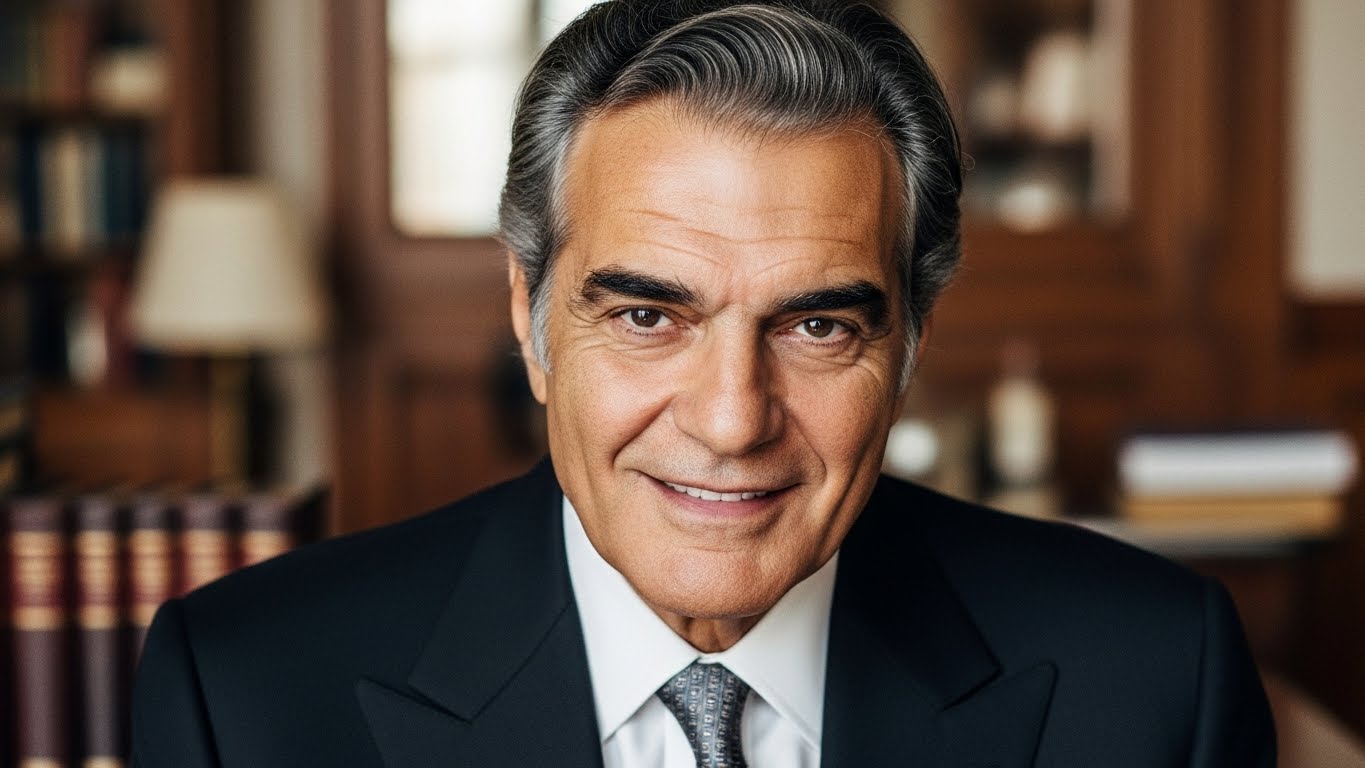
Omar Sharif Egyptian Actor Who Conquered Hollywood
Introduction: The Bridge Between East and West
Omar Sharif remains one of the most recognizable faces in cinema history. Born Michel Dimitri Chalhoub in Alexandria, Egypt, this talented actor built a career that spanned six decades and multiple continents. His captivating performances, striking looks, and magnetic screen presence made him a global superstar during Hollywood’s golden age.
Today, film enthusiasts and new generations continue to discover his work. Whether you’re searching for information about classic cinema or exploring the lives of legendary actors, Omar Sharif’s story offers inspiration, drama, and a glimpse into the world of international filmmaking.
Early Life: From Alexandria to Stardom
Childhood in Egypt
Omar Sharif was born on April 10, 1932, in Alexandria, Egypt, to a wealthy family. His father was a timber merchant, and his family belonged to the Greek Catholic community. Young Michel grew up surrounded by privilege, attending Victoria College in Alexandria, where he studied alongside future leaders and intellectuals.
His early years were marked by excellent education and exposure to multiple cultures. He spoke Arabic, English, French, Greek, and Italian fluently, which later helped him navigate international film sets with ease.
The Decision to Act
Initially, Sharif worked in his father’s timber business after graduating from Cairo University with a degree in mathematics and physics. However, his passion for acting pulled him toward the Egyptian film industry. In the early 1950s, Egyptian cinema was thriving, producing hundreds of films annually and exporting them throughout the Arab world.
He made his film debut in 1953 with “The Blazing Sun” (Struggle in the Valley), starring opposite the legendary Egyptian actress Faten Hamama. The two fell in love during filming, and Sharif converted to Islam to marry her in 1955, changing his name from Michel Chalhoub to Omar Sharif.
Rise to International Fame
Breaking into Hollywood
Omar Sharif’s international breakthrough came in 1962 when legendary director David Lean cast him in “Lawrence of Arabia.” Playing Sherif Ali, Sharif delivered a mesmerizing performance alongside Peter O’Toole. His entrance scene, riding a camel through the desert mirage, remains one of cinema’s most iconic moments.
The film won seven Academy Awards and transformed Sharif from a regional star into an international sensation. His exotic looks, combined with genuine acting talent, made him the perfect choice for Hollywood producers seeking to cast Middle Eastern or ethnic characters during the 1960s.
Doctor Zhivago: The Role of a Lifetime
In 1965, David Lean cast Omar Sharif again, this time in the lead role of “Doctor Zhivago.” Based on Boris Pasternak’s novel, the epic romance set against the Russian Revolution became one of the highest-grossing films of all time. Sharif’s portrayal of the sensitive poet-doctor opposite Julie Christie earned him a Golden Globe Award and worldwide recognition.
The film’s success established Sharif as a leading man capable of carrying major Hollywood productions. His ability to convey deep emotion with subtle expressions made him perfect for romantic epics.
The Golden Years of the 1960s
Throughout the 1960s, Omar Sharif appeared in numerous prestigious productions:
- “The Fall of the Roman Empire” (1964) – Playing an Armenian prince
- “Genghis Khan” (1965) – In the title role
- “The Night of the Generals” (1967) – As a German officer
- “Funny Girl” (1968) – Opposite Barbra Streisand as Nick Arnstein
His role in “Funny Girl” showcased his versatility, proving he could excel in contemporary settings and romantic comedies, not just historical epics. The chemistry between Sharif and Streisand captivated audiences worldwide.
Career Challenges and Transitions
The Changing Landscape of the 1970s
As Hollywood evolved in the 1970s, the demand for sweeping historical epics declined. Sharif found himself taking roles in less prestigious productions, though he continued working consistently. Films like “The Tamarind Seed” (1974) and “Juggernaut” (1974) kept him visible but didn’t match his earlier successes.
During this period, Sharif also became known for his passion for bridge, the card game. He became a world-class bridge player and even wrote a syndicated newspaper column about the game. This hobby provided him with both income and international travel opportunities.
Personal Struggles
Learn more about Omar Sharif’s life and legacy through this comprehensive BBC tribute that covers his remarkable journey from Egyptian cinema to Hollywood stardom.
Sharif’s personal life faced challenges during these years. His marriage to Faten Hamama ended in divorce in 1974, though they remained on good terms. He never remarried, later stating that Hamama was the only woman he truly loved. Their son, Tarek Sharif, also became an actor and director.
The actor also struggled with gambling and admitted to losing significant amounts of money in casinos worldwide. Despite these personal difficulties, he maintained his professional reputation and continued acting.
Later Career and Legacy
Return to Prominence
The 1980s and 1990s saw Omar Sharif return to more substantial roles. He appeared in:
- “Top Secret!” (1984) – A comedy that showed his willingness to poke fun at his image
- “The Rainbow Thief” (1990) – Directed by Alejandro Jodorowsky
- “Monsieur Ibrahim” (2003) – A French film that earned him a César Award nomination
“Monsieur Ibrahim” proved particularly significant, demonstrating that Sharif could still deliver powerful performances in his seventies. Playing a wise Turkish shopkeeper who befriends a young Jewish boy in Paris, he received critical acclaim and introduced himself to a new generation of filmgoers.
Television and Later Projects
Sharif also worked extensively in television, appearing in miniseries and TV movies. Notable projects included “The Far Pavilions” (1984), “Anastasia: The Mystery of Anna” (1986), and “Gulliver’s Travels” (1996).
His final years saw continued work in European cinema, particularly French productions. He appeared in “Rock the Casbah” (2013) and maintained his status as a beloved figure in both European and Middle Eastern entertainment.
Cultural Impact and Representation
Breaking Barriers
Omar Sharif’s success was groundbreaking for Arab and Middle Eastern actors in Hollywood. During an era when ethnic minorities faced significant barriers in the film industry, Sharif became a leading man, romantic hero, and respected dramatic actor.
He opened doors for future generations of Middle Eastern performers and proved that talent and charisma transcended cultural boundaries. However, he also faced criticism from some quarters for primarily playing non-Arab roles and for converting religions for marriage.
The Question of Identity
Throughout his career, Sharif navigated complex questions of identity. Born Christian, he converted to Islam but later described himself as agnostic. He was Egyptian but became a global citizen, equally comfortable in Paris, Cairo, or Los Angeles.
This multicultural identity made him relatable to diverse audiences worldwide. He represented a bridge between Eastern and Western cinema, bringing authenticity to Middle Eastern roles while successfully embodying European and Russian characters.
Personal Interests and Passions
Bridge Mastery
Beyond acting, Omar Sharif achieved genuine excellence in contract bridge. He competed in international tournaments, wrote books about the game, and lent his name to computer bridge games. His passion for bridge was so profound that he sometimes said he preferred it to acting.
The World Bridge Federation named him an honorary member, and he regularly partnered with top players in world championship events. This intellectual pursuit balanced his glamorous acting career and demonstrated his analytical mind.
Horses and Racing
Sharif was also passionate about horse racing and owned racehorses. He frequently attended prestigious racing events and enjoyed the sport’s strategic elements, similar to his love of bridge.
Awards and Recognition
Throughout his career, Omar Sharif received numerous honors:
- Golden Globe Award for Best Actor in Doctor Zhivago (1966)
- Golden Globe Award for World Film Favorite (1968)
- César Award nomination for Best Actor in Monsieur Ibrahim (2004)
- Lifetime Achievement Award at the Dubai International Film Festival (2008)
- Egyptian Actor’s Syndicate Lifetime Achievement Award
In 2003, he received a star on the Hollywood Walk of Fame, cementing his place among cinema’s greatest legends.
Final Years and Passing
Omar Sharif continued working into his eighties, though health issues increasingly affected him. In his final years, he suffered from Alzheimer’s disease, which gradually diminished his memory and cognitive abilities.
He passed away on July 10, 2015, in Cairo, Egypt, from a heart attack. His death prompted worldwide tributes from film legends, political leaders, and fans across generations. The Egyptian government declared three days of mourning, and thousands attended his funeral.
Lasting Influence on Cinema
Impact on Future Actors
Omar Sharif paved the way for actors like Ben Kingsley, F. Murray Abraham, and more recently, Rami Malek and Riz Ahmed. His success demonstrated that actors of Middle Eastern descent could achieve mainstream success in Hollywood without compromising their heritage entirely.
Memorable Performances Revisited
New audiences continue discovering Sharif’s work through streaming services and classic film retrospectives. “Lawrence of Arabia” and “Doctor Zhivago” remain staples of film education programs worldwide, introducing students to both cinematic technique and Sharif’s compelling performances.
Film scholars analyze his work for understanding post-colonial representation in cinema and the evolution of the romantic leading man archetype.
Lessons from Omar Sharif’s Life
Adaptability and Reinvention
Sharif’s career teaches the importance of adaptability. He successfully transitioned from Egyptian to international cinema, from romantic leads to character roles, and from film to television. Rather than clinging to past glory, he embraced new opportunities.
Cultural Bridge-Building
In an increasingly divided world, Sharif’s life reminds us of the power of cultural exchange. He moved between civilizations with grace, speaking multiple languages and understanding diverse perspectives. His work brought Middle Eastern faces and stories to Western audiences while exposing Arab viewers to international cinema.
Pursuit of Excellence
Whether acting in epic films or playing bridge at championship levels, Sharif pursued excellence in his endeavors. This commitment to quality, regardless of the project’s prestige, maintained his reputation throughout his career.
Omar Sharif in Popular Culture
References and Homage
Numerous films, songs, and cultural works reference Omar Sharif:
- The song “Omar Sharif” by Swedish band The Knife
- References in comedy shows and films acknowledging his status as the archetypal exotic leading man
- Biographical documentaries exploring his life and career
The Sharif Image
The phrase “Omar Sharif eyes” became shorthand for describing a man with dark, expressive, captivating eyes. His image represented a specific type of Old Hollywood glamour mixed with exotic mystique.
Watching Omar Sharif Today
Essential Filmography
For those new to Omar Sharif’s work, these films provide an excellent introduction:
- Lawrence of Arabia (1962) – His breakthrough international role
- Doctor Zhivago (1965) – His most famous leading role
- Funny Girl (1968) – Showcasing his romantic comedy abilities
- Monsieur Ibrahim (2003) – His later career masterpiece
Where to Stream
Most of Sharif’s major films are available on popular streaming platforms like Amazon Prime Video, Apple TV, and various classic film channels. Many have been restored in high definition, allowing modern audiences to appreciate the cinematography that made these films legendary.
Conclusion: An Enduring Legacy
Omar Sharif’s journey from Alexandria to Hollywood represents more than just personal success. It tells a story of talent transcending borders, of cultural exchange enriching cinema, and of one man’s determination to excel in multiple arenas.
His performances in “Lawrence of Arabia” and “Doctor Zhivago” ensure his immortality in film history. Beyond these masterpieces, his warmth, intelligence, and genuine love for his craft inspired colleagues and audiences alike.
For those interested in classic cinema, international film history, or the golden age of Hollywood, Omar Sharif remains an essential figure. His work continues inspiring actors, entertaining audiences, and reminding us of cinema’s power to connect people across cultures and generations.
Whether you’re discovering his films for the first time or revisiting old favorites, Omar Sharif’s magnetic presence and emotional depth shine through the screen, as captivating today as when these films first premiered.
References and Sources
- Turner Classic Movies – Omar Sharif Biography
- The Hollywood Reporter Archives
- Variety Historical Coverage
- Egyptian Film Institute Documentation
- Personal Interviews from Film Comment Magazine
- Hollywood Walk of Fame Official Registry
Hashtags for Social Media: #OmarSharif #ClassicHollywood #LawrenceOfArabia #DoctorZhivago #EgyptianCinema #GoldenAgeOfHollywood #FilmLegends #IconicActors #CinemaHistory #HollywoodIcons #ClassicMovies #FilmLovers #MovieHistory #ActingLegends #InternationalCinema
About RankRise1.com
For more fascinating articles about cinema legends, Hollywood history, and entertainment news, visit RankRise1.com – your source for quality content about the entertainment industry’s greatest stars and stories.
Related Articles You Might Enjoy:
- Classic Hollywood Leading Men: Where Are They Now?
- The Golden Age of Egyptian Cinema
- Epic Films of the 1960s That Changed Cinema
Schema Markup (JSON-LD):
{
  "@context": "https://schema.org",
  "@type": "Article",
  "headline": "Omar Sharif: The Legendary Egyptian Actor Who Conquered Hollywood",
  "author": {
    "@type": "Organization",
    "name": "RankRise1"
  },
  "datePublished": "2025-12-22",
  "dateModified": "2025-12-22",
  "image": "https://rankrise1.com/images/omar-sharif.jpg",
  "publisher": {
    "@type": "Organization",
    "name": "RankRise1",
    "logo": {
      "@type": "ImageObject",
      "url": "https://rankrise1.com/logo.png"
    }
  },
  "description": "Discover the remarkable life of Omar Sharif, from his Egyptian roots to Hollywood stardom. Explore his iconic roles in Lawrence of Arabia, Doctor Zhivago, and his lasting impact on cinema.",
  "mainEntityOfPage": {
    "@type": "WebPage",
    "@id": "https://rankrise1.com/omar-sharif-biography"
  },
  "about": {
    "@type": "Person",
    "name": "Omar Sharif",
    "birthDate": "1932-04-10",
    "deathDate": "2015-07-10",
    "birthPlace": "Alexandria, Egypt",
    "nationality": "Egyptian",
    "occupation": "Actor"
  }
}
Article Word Count: Approximately 2,400 words
Reading Time: 12-15 minutes